
Chefchaouen Travel Guide: Best Things to Do in the Blue City
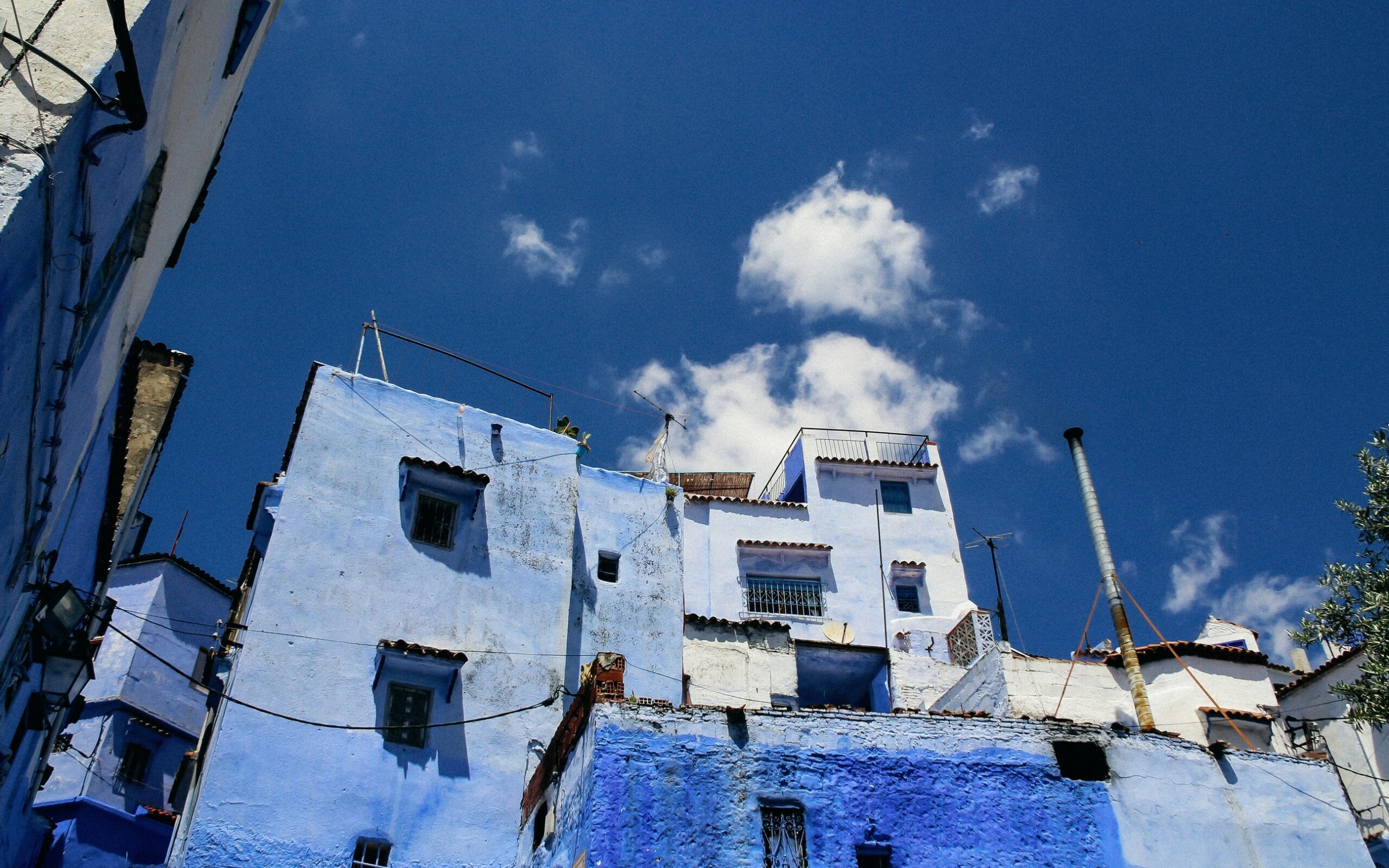
Chefchaouen travel guide essentials begin with the city’s most famous feature — every wall, staircase, doorway, and alley in the old medina is painted in mesmerizing shades of blue, creating one of the most photogenic destinations on the planet. But the Blue City is far more than an Instagram backdrop. Chefchaouen sits in the heart of the Rif Mountains and offers incredible hiking, cascading waterfalls, genuine Berber culture, and a relaxed mountain atmosphere that makes it one of the most beloved stops on any Morocco itinerary.
This complete guide covers every must-do activity, from medina photography walks and mountain treks to waterfall hikes and local food experiences — with practical tips to help you plan the perfect visit.
Exploring the Blue Medina
Why Is Chefchaouen Blue?
The tradition of painting buildings blue dates back to the 1930s, when Jewish refugees fleeing Europe settled in Chefchaouen and introduced the practice — blue symbolizing the sky and heaven in Jewish tradition. Today the blue painting is maintained by residents as both cultural tradition and a practical mosquito repellent (the color is believed to deter insects). The result is a medina that glows in every shade from powder blue to deep cobalt, creating an atmosphere that feels magical at every turn.
Best Photo Spots
The most photographed locations include the iconic blue staircase on Rue Tarik Ibn Ziad, the Place Outa el Hammam (the main square with the 15th-century kasbah), the narrow alleys around Ras el-Maa (the spring at the edge of the medina), and the viewpoint on the Spanish Mosque hill above the city. The best light for photography is early morning (7–9 AM) when the streets are empty and the blue walls glow in soft golden light.
Best Outdoor Adventures
Talassemtane National Park Trek
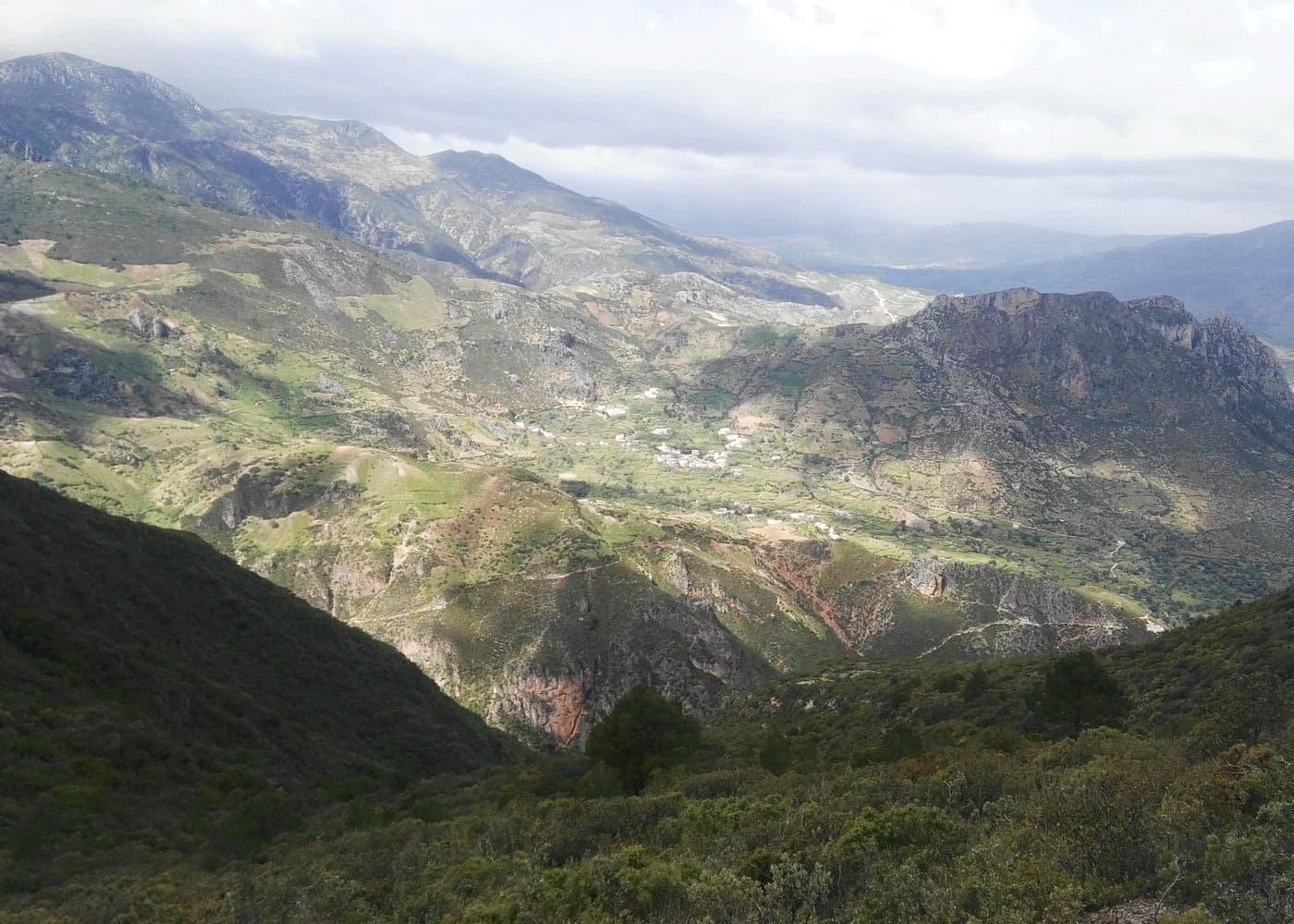
The 3-day Talassemtane National Park trek from Chefchaouen is the ultimate outdoor adventure for serious hikers. This guided wilderness expedition takes you deep into the Rif Mountains through ancient fir forests, dramatic gorges, remote Berber villages, and mountain ridges with panoramic views that stretch all the way to the Mediterranean coast. It is one of the most rewarding multi-day treks in Morocco.
Akchour Waterfalls
The Akchour waterfalls private tour from Chefchaouen is the most popular day hike in the region, leading you to 2 stunning waterfalls and the famous Bridge of God — a dramatic natural rock arch spanning a deep gorge. The trail follows a beautiful river valley through the Talassemtane National Park, making it accessible for moderately fit hikers while delivering spectacular scenery throughout.
Cultural Experiences
The Kasbah and Ethnographic Museum
The 15th-century kasbah on Place Outa el Hammam houses a small but interesting ethnographic museum with exhibits on local Riffian Berber culture, traditional clothing, weapons, and musical instruments. The kasbah garden is a peaceful oasis in the center of the medina — a perfect spot for a quiet break with mint tea.
Ras el-Maa Spring
At the eastern edge of the medina, the Ras el-Maa spring emerges from the mountainside and flows through a series of small waterfalls where local women traditionally come to wash laundry. The area around the spring is one of the most atmospheric spots in Chefchaouen — local families gather here in the evenings, and the sound of rushing water mixed with conversation creates a timeless village atmosphere.
Local Food Experiences
Chefchaouen’s food reflects its mountain Berber setting. Local specialties include goat cheese (the Rif Mountains are Morocco’s primary goat cheese region), fresh mountain trout, bissara (thick split pea soup), and honey from local apiaries. The restaurants around Place Outa el Hammam offer rooftop terraces with views over the blue medina — perfect for a long lunch or evening dinner.
Spanish Mosque Viewpoint
The hike to the Spanish Mosque (Mosquée Espagnole) on the hill above Chefchaouen is an absolute must-do. The mosque itself — a half-ruined 1920s structure built during the Spanish protectorate — is not the attraction. The view is. From the hilltop, you get a sweeping panorama of the entire blue medina cascading down the mountainside, framed by the twin peaks of the Rif Mountains behind. This is the definitive Chefchaouen viewpoint and the best spot for sunrise or sunset photography.
Best Time to Visit Chefchaouen
Spring (March–May) and autumn (September–November) offer the best conditions — warm days, cool nights, and the blue walls looking their most vibrant. Summer (June–August) can be hot in the medina but is ideal for mountain hiking and waterfall visits. Winter (December–February) brings cold temperatures and occasional snow in the surrounding mountains, but the medina is beautifully quiet and atmospheric in a moody, dramatic way.
How to Get to Chefchaouen
Chefchaouen is approximately 3 hours by car from Tangier, 4 hours from Fes, and 1.5 hours from the Mediterranean coast. CTM and other bus companies run daily services from major cities. There is no train station — the nearest rail connection is Tangier. Many travelers visit Chefchaouen as a 2 to 3 day stop between Fes and Tangier, which is the ideal routing for a northern Morocco itinerary.
How Many Days in Chefchaouen?
Two nights is the sweet spot for most travelers — enough time for a morning of medina exploration and photography, an afternoon hike to Akchour Waterfalls or the Spanish Mosque, an evening soaking in the atmosphere, and a second day for deeper exploration or the Talassemtane trek. The city is small enough to see the main highlights in a single day, but staying longer lets you experience the peaceful mountain rhythm that makes Chefchaouen so special.
Share this article
Latest articles
September 16, 2026
September 16, 2026
September 16, 2026