
Best Things to Do in Rabat: Complete Travel Guide
Best things to do in Rabat combine royal palaces, ancient ruins, a stunning riverside kasbah, world-class museums, and a food scene that rivals any city in Morocco — all without the overwhelming tourist crowds that define Marrakech and Fes. As Morocco’s capital and a UNESCO World Heritage city, Rabat offers a refined, elegant travel experience that reveals a side of Morocco most visitors never see.
Whether you are spending a full holiday in the capital or making a stop between Casablanca and Tangier, this complete guide covers every must-do activity, from guided cultural tours to magical evening experiences.
Top Cultural Experiences
Food and Cultural Full Day Tour
The Rabat food and cultural full day tour is the ultimate immersive experience — combining 10 of the best food tastings in the city with visits to historic landmarks, local markets, and hidden gems that most tourists walk right past. This is the single best way to discover Rabat’s culture through its cuisine, and it consistently earns outstanding reviews from travelers who describe it as the highlight of their Morocco trip.
Night Tour with Traditional Moroccan Dinner
The Rabat night tour with traditional Moroccan dinner transforms the capital into a magical evening experience — illuminated monuments, atmospheric medina streets after dark, and a multi-course authentic Moroccan feast. This is perfect for travelers who want to see a completely different side of Rabat than what daytime sightseeing reveals.
Private Guided Boat Tour
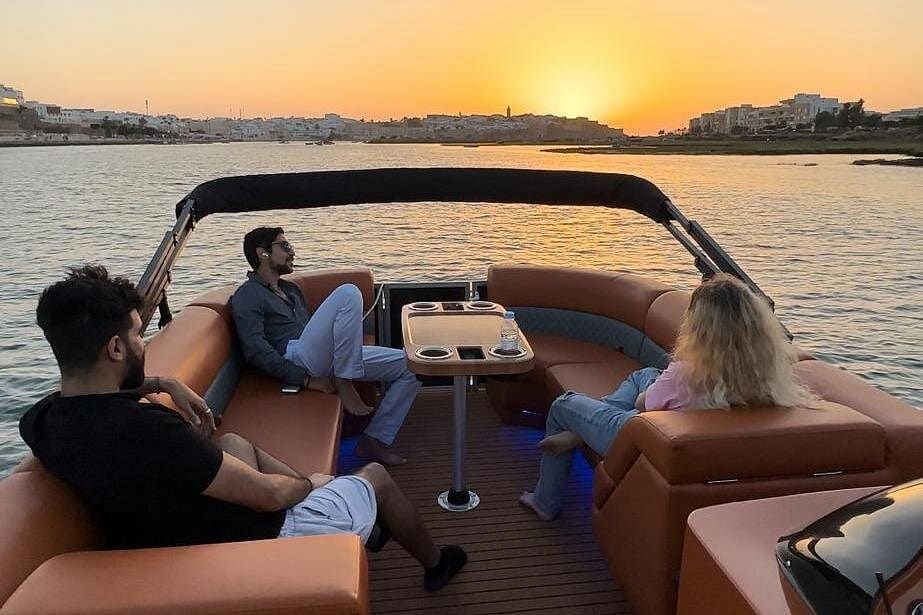
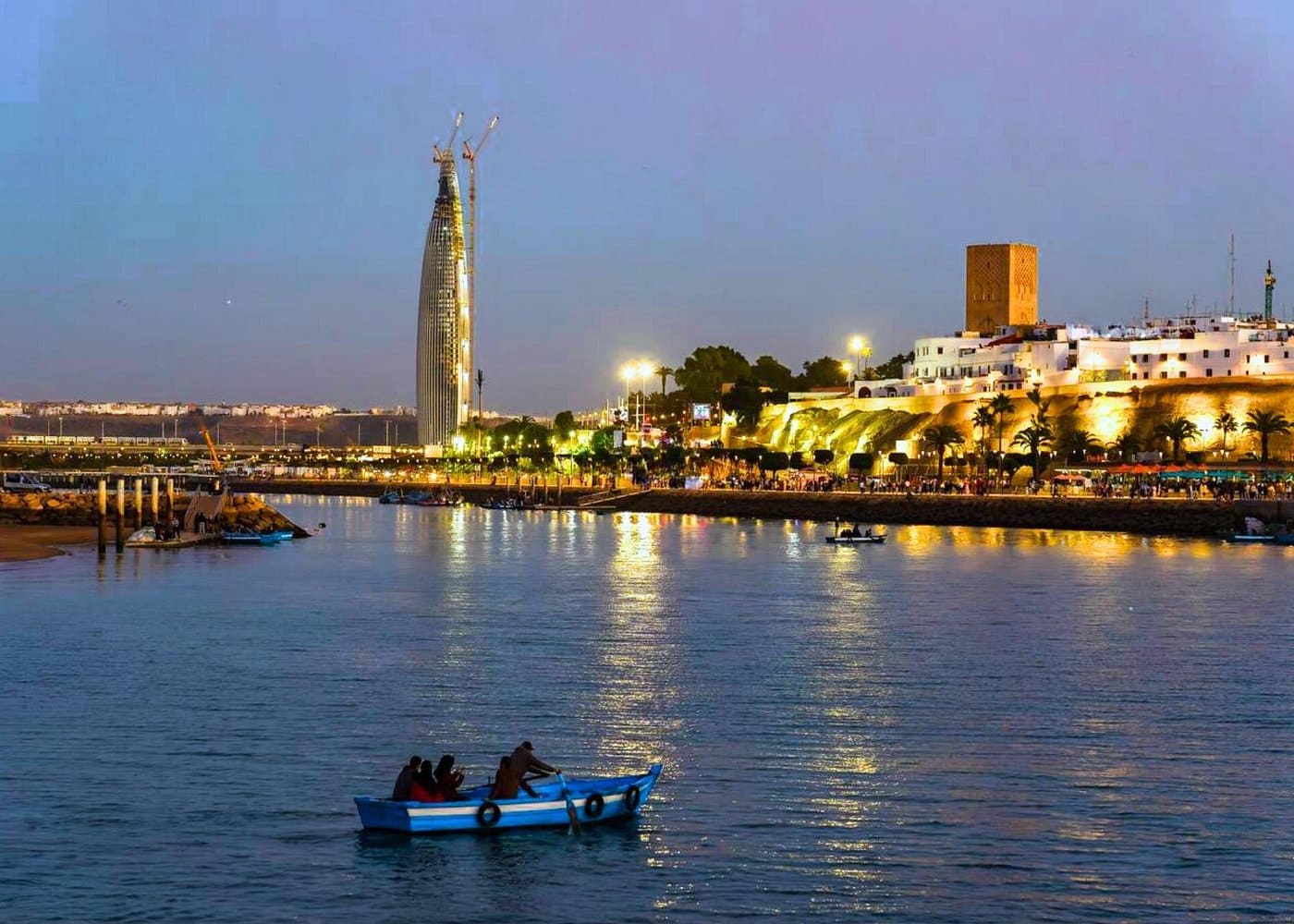
The private guided boat tour in Rabat offers a unique perspective on the capital — cruising along the Bouregreg River between Rabat and Salé with views of the Kasbah des Oudayas, Hassan Tower, and the modern Mohammed VI Theatre. This peaceful river cruise is one of the most relaxing and scenic activities available in the city.
Must-Visit Landmarks
Kasbah des Oudayas
This stunning 12th-century fortress sits on a cliff overlooking the Atlantic Ocean and the mouth of the Bouregreg River. The kasbah’s blue-and-white painted streets (reminiscent of Chefchaouen), the Andalusian Gardens inside the walls, and the panoramic terrace with views across to Salé make this one of the most beautiful and atmospheric sites in all of Morocco.
Hassan Tower and Mohammed V Mausoleum
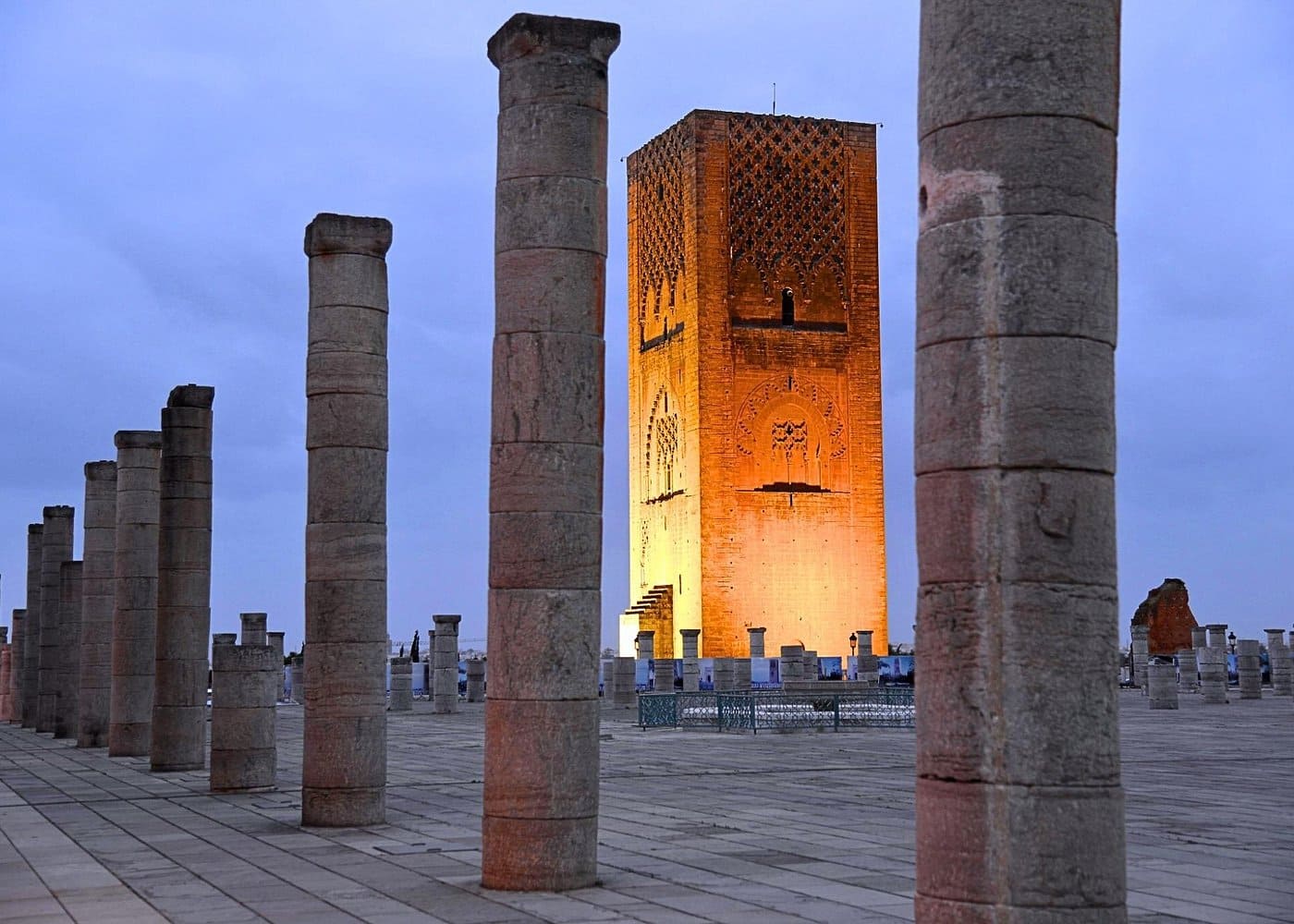
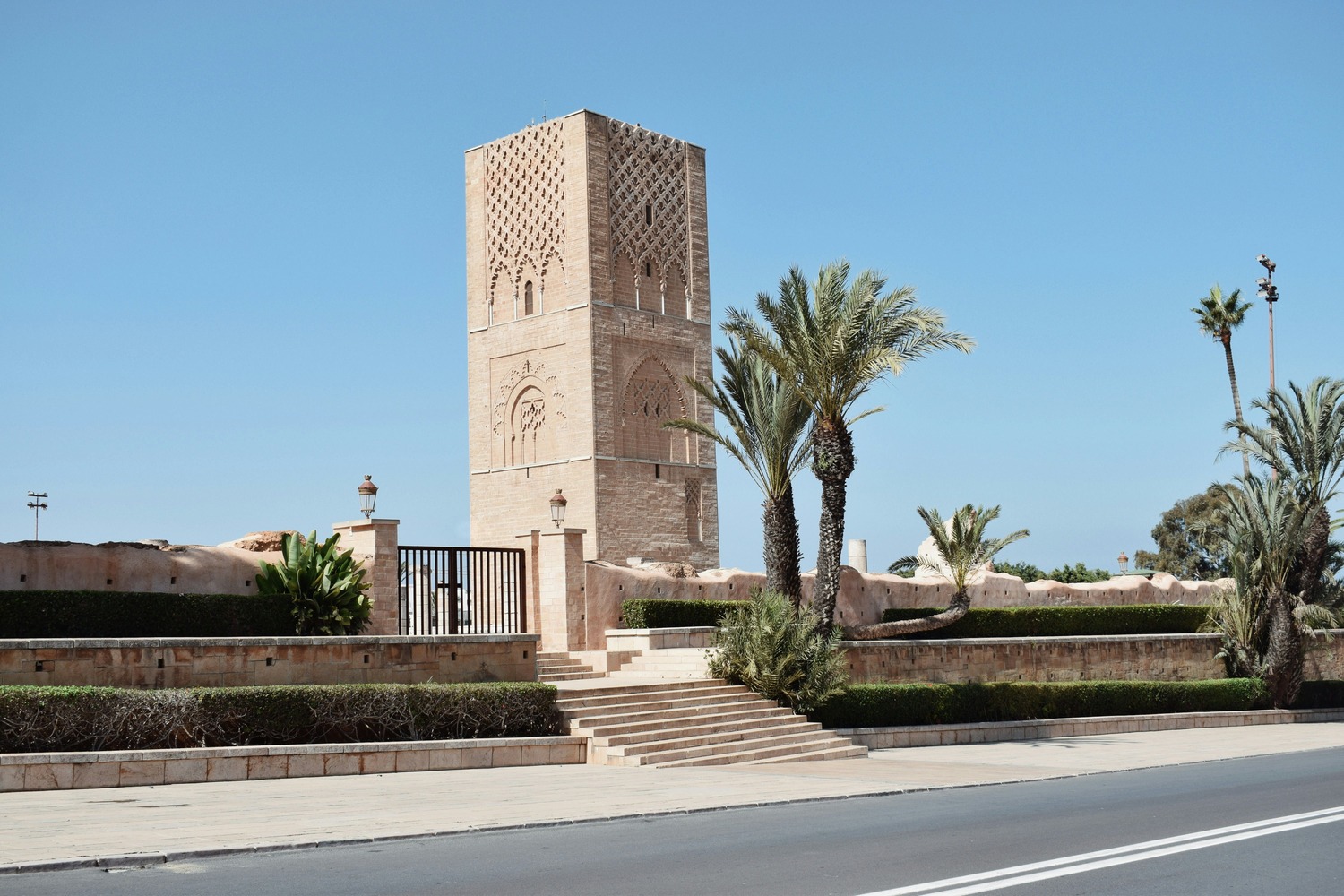
The incomplete 12th-century Hassan Tower — intended to be the largest minaret in the world before the sultan died during construction — stands surrounded by 200 remaining columns of an equally unfinished mosque. Beside it, the ornate Mohammed V Mausoleum houses the tombs of the former king and his sons in a masterpiece of modern Moroccan architecture. Together they form Rabat’s most iconic landmark complex.
Chellah Necropolis
The Chellah is one of Morocco’s most atmospheric archaeological sites — a medieval necropolis built on top of Roman ruins, now partially overgrown with gardens and inhabited by nesting storks. The combination of Islamic tombs, Roman columns, and wild nature creates a hauntingly beautiful place that feels frozen in time.
Museums and Modern Culture
Mohammed VI Museum of Modern and Contemporary Art
Morocco’s premier art museum houses an impressive permanent collection of Moroccan modern art alongside rotating international exhibitions. The building itself is architecturally striking, and the museum café is a pleasant spot for a break.
Bank Al-Maghrib Museum
This surprisingly fascinating museum traces the history of Moroccan currency from ancient coins to modern banknotes, housed in a beautiful colonial-era building. The numismatic collection is one of the finest in North Africa.
The Medina and Souks
Rabat’s medina is compact, well-maintained, and refreshingly hassle-free compared to the medinas of Marrakech and Fes. The Rue des Consuls — the main commercial street — is lined with shops selling leather goods, carpets, ceramics, and traditional clothing at prices lower than tourist-heavy cities. The atmosphere is authentically local, with residents outnumbering tourists on most days.
Salé: The Twin City
Across the Bouregreg River from Rabat, the city of Salé offers a more traditional, less touristic Moroccan experience. The Salé medina has excellent artisan workshops (particularly known for pottery and reed mat weaving), the Grand Mosque, and a coastal promenade with views back toward Rabat. The boat tour and the new tramway both connect the two cities easily.
Food and Dining
Rabat has one of the most underrated food scenes in Morocco. The medina street food includes excellent msemen, harira, and freshly grilled fish. The Agdal and Hassan neighborhoods feature upscale Moroccan and international restaurants. And the Ocean area along the Corniche offers spectacular seafood dining with Atlantic views. The food and cultural tour is the best way to discover the city’s culinary range in a single day.
Best Time to Visit
Rabat’s Atlantic climate is mild year-round, making it one of Morocco’s most comfortable cities to visit in any season. Spring (March–May) and autumn (September–November) are ideal, with warm days and pleasant evenings. Summer is warm but moderated by ocean breezes. Winter is mild with occasional rain. The city is a genuine year-round destination.
Getting to Rabat
Rabat is connected by the Al Boraq high-speed train to Tangier (1.5 hours) and Casablanca (under 1 hour). Regular trains connect to Fes (2.5 hours) and Marrakech (4 hours). Rabat-Salé Airport receives domestic and some international flights. The city’s central location makes it an easy stop on any northern Morocco itinerary.
Share this article
Latest articles
September 16, 2026
September 16, 2026
September 16, 2026