
Rabat Travel Guide: Top Attractions & Hidden Gems
Rabat travel guide planning rewards travelers who look beyond the obvious — Morocco’s capital city hides architectural treasures, world-class museums, atmospheric ruins, and a food culture that locals fiercely protect from tourist inflation. While Marrakech and Fes dominate Morocco’s tourism headlines, Rabat quietly offers a more refined, less chaotic, and arguably more authentic window into modern Moroccan life.
This guide goes beyond the standard tourist checklist to reveal both the essential landmarks and the hidden gems that make Rabat one of the most rewarding cities in Morocco for curious travelers.
The Essential Attractions
Kasbah des Oudayas
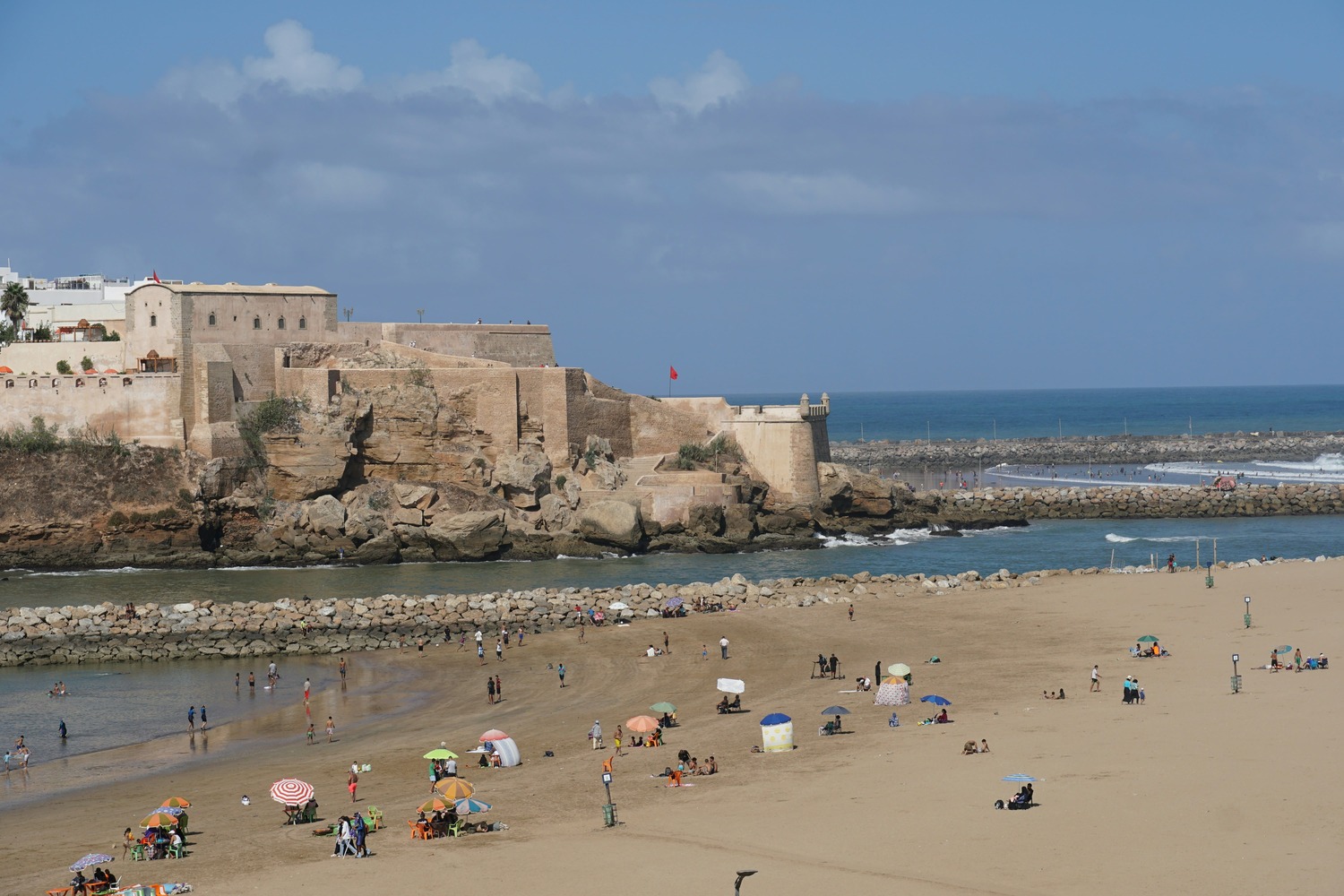
Rabat’s crown jewel is this 12th-century Almohad fortress perched on a cliff above the Bouregreg River mouth. The kasbah’s interior streets are painted in the same blue-and-white palette as Chefchaouen, the Andalusian Gardens inside offer a peaceful retreat, and the ocean-facing terrace provides one of the most spectacular viewpoints in Morocco. A food and cultural day tour typically includes the kasbah as a highlight.
Hassan Tower and Mausoleum
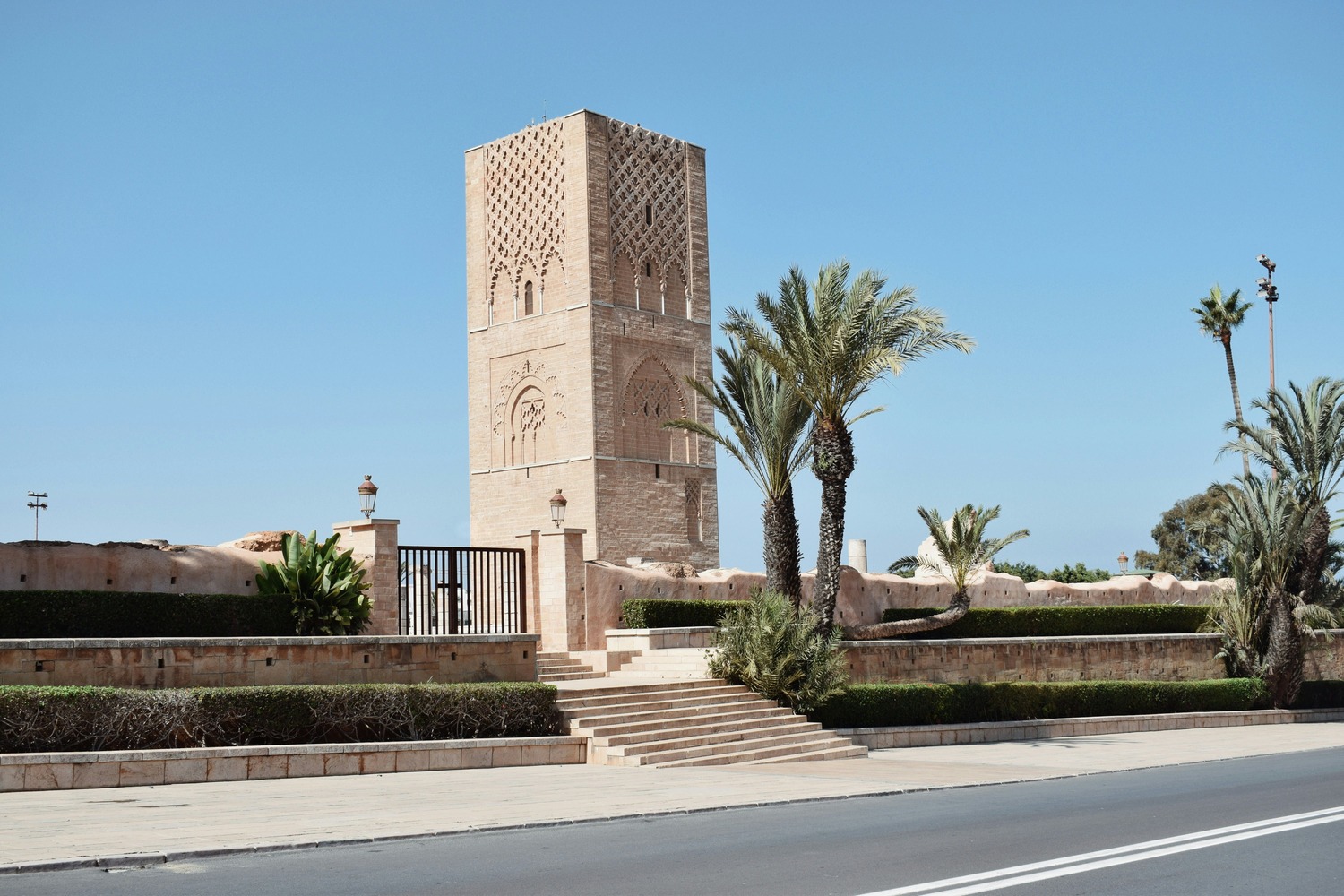
The unfinished 12th-century Hassan Tower and its field of 200 stone columns represent one of the most ambitious — and incomplete — architectural projects in Islamic history. The adjacent Mohammed V Mausoleum, with its white marble and green-tiled roof, is a masterwork of modern Moroccan craftsmanship. Royal guards in traditional dress stand vigil at the entrance, adding to the solemn grandeur.
Chellah
This medieval Islamic necropolis built atop Roman ruins is one of Morocco’s most magical places. Crumbling minarets rise through fig trees, storks nest on ancient columns, and fragments of Roman mosaics peek through the vegetation. The atmosphere is hauntingly romantic, especially in the late afternoon golden light. Few tourist sites in Morocco feel this genuinely timeless.
Hidden Gems Most Visitors Miss
Villa des Arts
This elegant Art Deco villa turned contemporary art gallery hosts rotating exhibitions by Moroccan and international artists. The building itself is beautiful, and the gallery is free to enter. It is a perfect rainy-day activity or a cultural break between outdoor sightseeing.
The Andalusian Gardens (Inside Kasbah des Oudayas)
While most visitors walk through the kasbah quickly, the Andalusian Gardens tucked inside the fortress walls deserve a longer stay. Laid out in traditional Islamic garden design with fountains, orange trees, jasmine, and geometric flower beds, these gardens are one of the most peaceful spots in the capital.
Rue des Consuls
The main commercial street of Rabat’s medina was historically where foreign consulates were located (hence the name). Today it is the best shopping street in the capital, with leather goods, carpets, and ceramics at genuinely local prices. Unlike the aggressive souks of Marrakech, shopping here is relaxed and enjoyable — vendors offer mint tea and conversation rather than high-pressure sales tactics.
The Bouregreg Marina
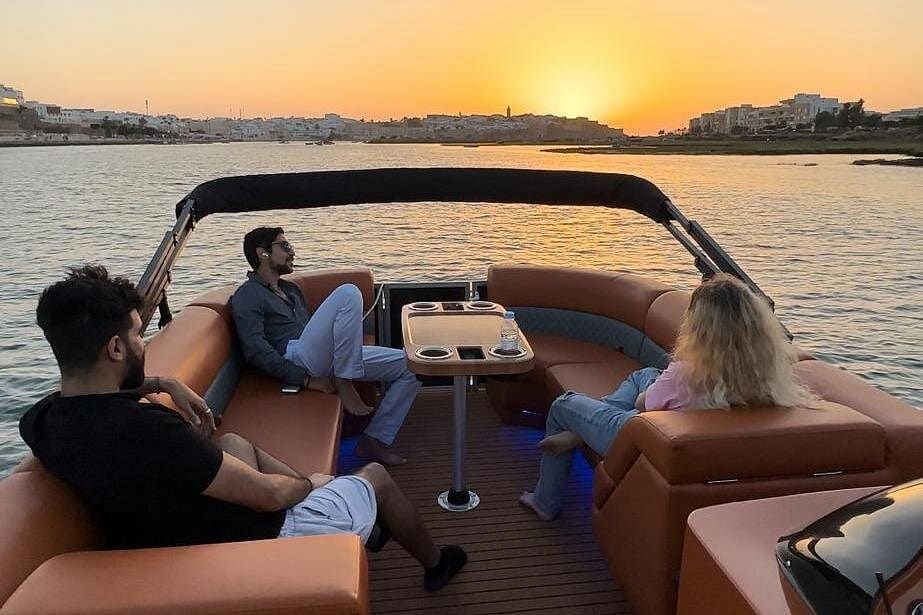
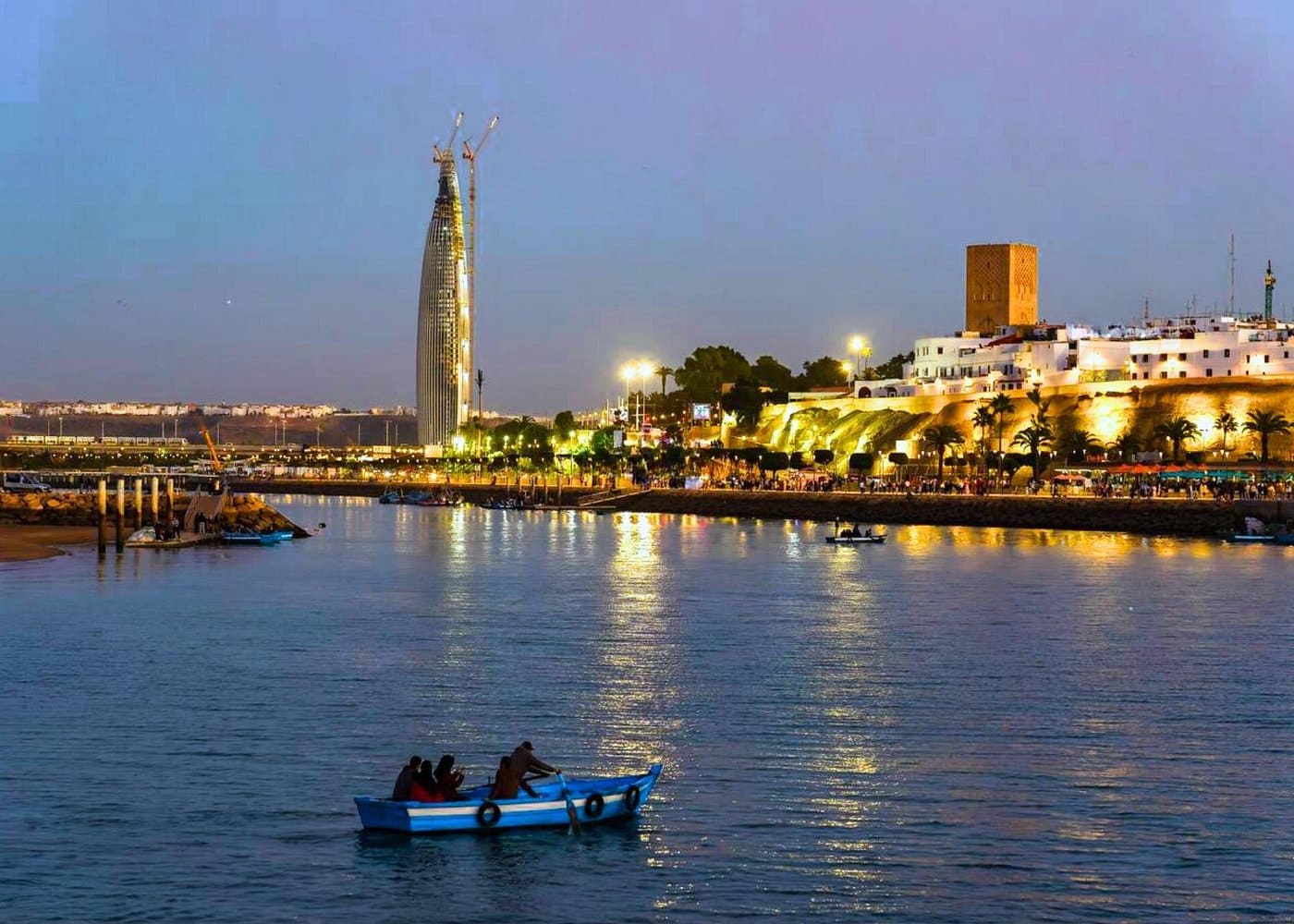
The modern marina development along the Bouregreg River between Rabat and Salé is one of the city’s best-kept secrets for dining and evening walks. Restaurants and cafés line the waterfront with views of the Kasbah des Oudayas illuminated above. A guided boat tour along the river gives you a unique waterborne perspective on both cities.
Salé’s Hidden Medina
Just across the river, the medina of Salé is virtually tourist-free and offers an authentic glimpse into traditional Moroccan urban life. The pottery workshops, the Great Mosque, and the Bab Mrisa sea gate are all worth exploring. The tramway connects Rabat and Salé in minutes, making it an easy half-day excursion.
Night-Time Rabat
Rabat transforms beautifully after dark, and the night tour with traditional Moroccan dinner is the best way to experience it. Illuminated monuments, the atmospheric medina at night, and a multi-course feast create an evening that rivals any dining experience in Morocco. The Hassan Tower and Kasbah des Oudayas are particularly striking when lit up against the night sky.
Food Culture
Rabat’s food scene is diverse and excellent, from medina street food (try the fish sandwiches near the river) to upscale restaurants in the Agdal and Souissi neighborhoods. The capital has a particularly strong café culture — Rabatis take their coffee and pastries seriously, and the patisseries along Avenue Mohammed V rival anything in Paris. The food and cultural tour is the best way to discover the city’s culinary range, covering 10 tastings in a single immersive day.
Where to Stay
The medina and kasbah area offers atmospheric riads at lower prices than Marrakech equivalents. The Hassan neighborhood near the tower is central and well-connected. The Agdal district offers modern hotels and apartments near restaurants and nightlife. For luxury, the Sofitel and other international hotels are located along the Corniche.
Getting Around
Rabat is one of the most walkable major cities in Morocco. The tram system connects key neighborhoods efficiently. Petit taxis (blue) are cheap and plentiful. Ride-hailing apps work well. The compact city center means most attractions are within 20 minutes of each other by any transport method.
Share this article
Latest articles
September 16, 2026
September 16, 2026
September 16, 2026