
Fes Medina Guide: What to See, Do & Avoid in the World’s Largest Medieval City
Fes medina guide essentials begin with understanding that this is not a regular tourist attraction — it is the largest living medieval city in the world, home to approximately 150,000 residents who go about their daily lives in a labyrinth of 9,000 streets where donkeys carry goods, artisans work as they have for centuries, and getting lost is not a possibility but a certainty. The Fes medina (Fes el-Bali) is overwhelming, exhilarating, and unlike anywhere else on earth.
This practical guide tells you exactly what to see, what to do, and crucially, what to avoid — so you can experience the medina’s magic without the common frustrations that catch unprepared visitors off guard.
What to See in the Fes Medina
The Chouara Tannery
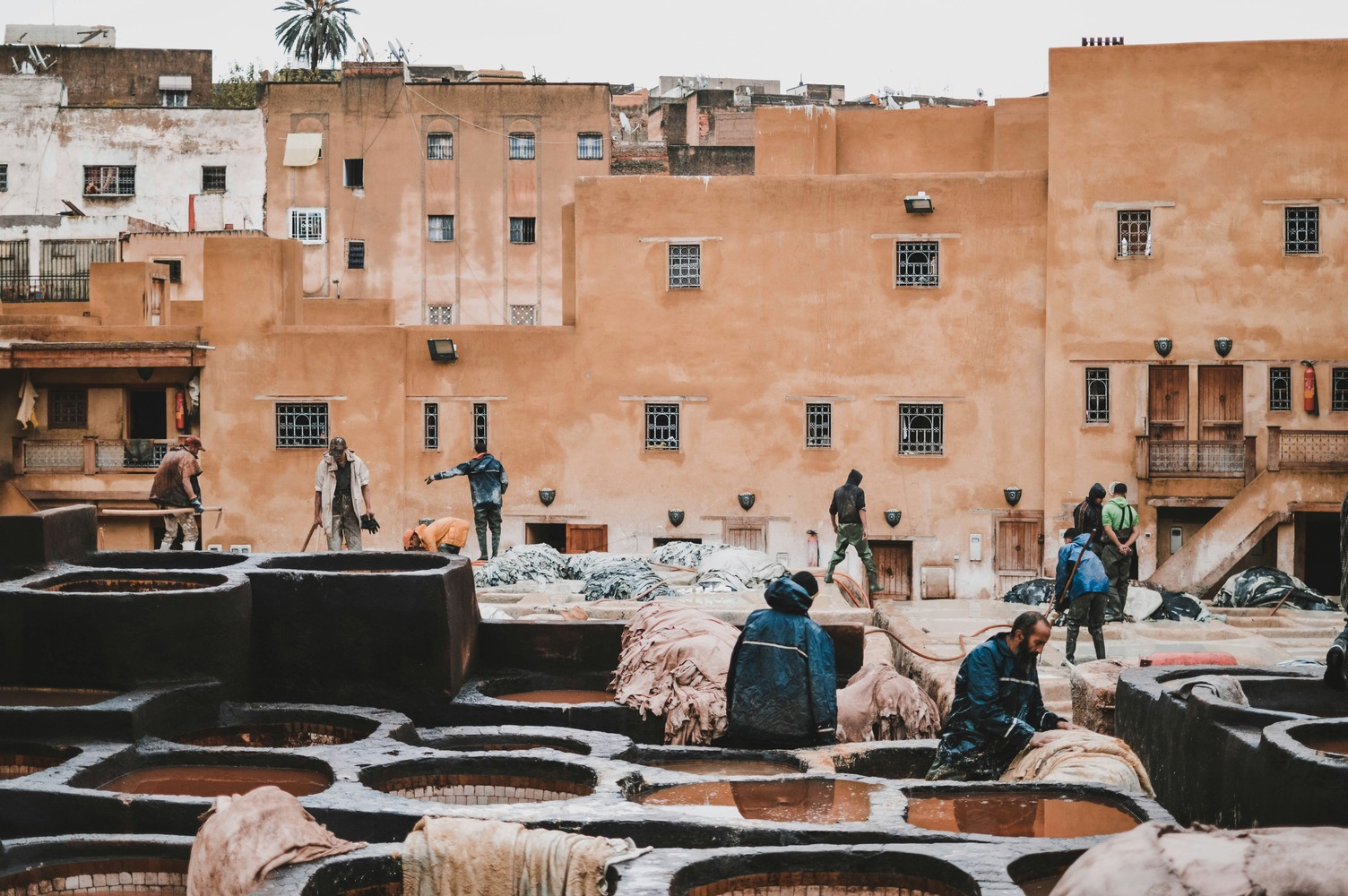
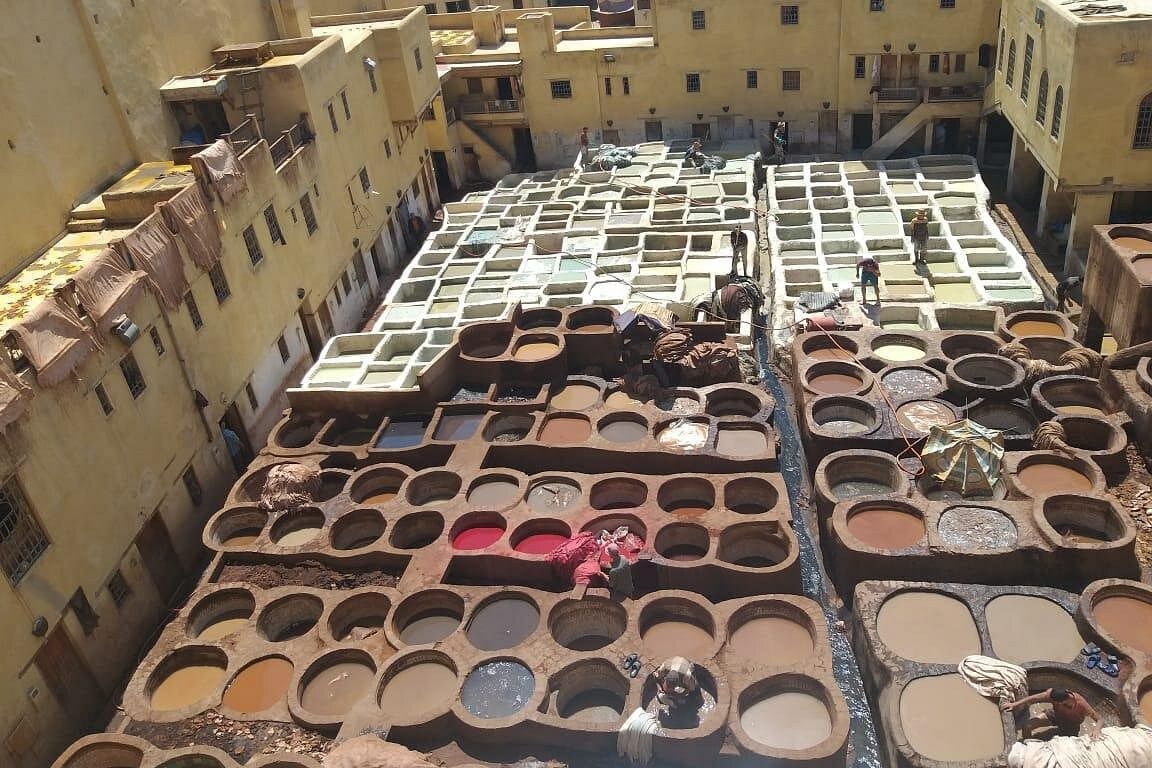
The most iconic sight in Fes — a vast complex of stone vats where leather has been dyed using traditional methods for over 1,000 years. The view from the surrounding leather shops’ terraces reveals a kaleidoscope of vivid colors against the ancient stone. Visit in the morning (before 11 AM) when the workers are most active and the vats are freshly filled. You will be offered a sprig of mint to offset the intense smell — take it.
Bou Inania Madrasa
This 14th-century theological school is the finest example of Marinid architecture in Morocco. Every surface is covered in exquisite zellige tilework, carved stucco, and cedar wood calligraphy. It is one of the few religious buildings in the medina open to non-Muslim visitors and is absolutely worth the small entrance fee.
Al-Attarine Madrasa
Located beside the Kairouyine Mosque, this smaller madrasa is equally beautiful, with a central courtyard featuring an intricate marble fountain and walls covered in geometric patterns. The intimate scale makes the craftsmanship feel even more impressive.
Bab Boujloud (The Blue Gate)
The monumental gate marking the western entrance to the medina is one of the most photographed landmarks in Fes. Blue zellige tiles face outward (representing Fes) while green tiles face the medina (representing Islam). This is the natural starting point for any medina exploration.
What to Do in the Medina
Book a Full-Day Guided Tour
A full-day guided city tour is not optional in Fes — it is essential. The medina is genuinely impossible to navigate independently, and a guide provides access to workshops, viewpoints, and historical context that transform the experience from confusing to extraordinary. Book a licensed guide through a reputable tour operator, not someone who approaches you at the gate.
Visit Artisan Workshops
Fes is the last city in Morocco where traditional crafts are still practiced at a master level. Ask your guide to include visits to zellige tile workshops (watching tiles cut by hand is mesmerizing), brass foundries, silk weaving ateliers, and pottery workshops. These are working studios, not tourist shops, and the craftsmanship is extraordinary.
Eat Like a Local
The medina has excellent food options at all price levels. Street food vendors sell msemen, harira, and grilled brochettes for a few dirhams. Mid-range restaurants around Rcif and Talaa Kebira serve authentic Fassi cuisine. For a special experience, several riads offer multi-course traditional dinners in stunning courtyard settings.
What to Avoid in the Fes Medina
Unofficial Guides (Faux Guides)
The biggest source of frustration for visitors is the faux guide problem. Young men near the medina gates will offer to guide you, then demand inflated fees and pressure you into carpet shops for commissions. The solution: always book your guide in advance and politely decline all offers from strangers. A firm “la shukran” (no thank you) and continued walking is the most effective response.
Carpet Shop Pressure
The Fes medina has a well-organized system where guides earn commissions for bringing tourists into certain shops, particularly carpet dealers. If your guide takes you to a carpet shop and you feel pressured, you are not obligated to buy anything. Simply thank the shopkeeper, decline, and move on. If you are interested in buying a carpet, go independently to compare prices rather than through a guide.
Getting Lost Without a Guide
While getting lost in the medina has a romantic appeal, the reality can be stressful — especially after dark when the narrow streets become deserted and disorienting. Do not explore the deep medina alone at night. During the day, if you get lost, head downhill (toward the river) or ask a shopkeeper to point you toward Bab Boujloud or Rcif — most will help cheerfully.
Photography Without Asking
Many medina residents, particularly women, do not want to be photographed. Always ask before taking photos of people, and respect a refusal. Photographing the tannery workers, artisan workshops, and architectural details is generally fine, but the medina is a residential neighborhood, not a zoo — treat it with appropriate respect.
Practical Medina Tips
Wear closed-toe shoes with good grip (cobblestones are uneven and can be slippery). Carry a small bag close to your body (pickpocketing exists but is not epidemic). Bring cash — most medina shops do not accept cards. Keep to the main arteries (Talaa Kebira and Talaa Sghira) if walking without a guide. Press against the wall when you hear “balak!” (watch out!) — a loaded donkey is coming through. And remember that the medina is a living city, not a museum — respect the residents, their privacy, and their daily routines.
Best Day Trip from Fes to Reset
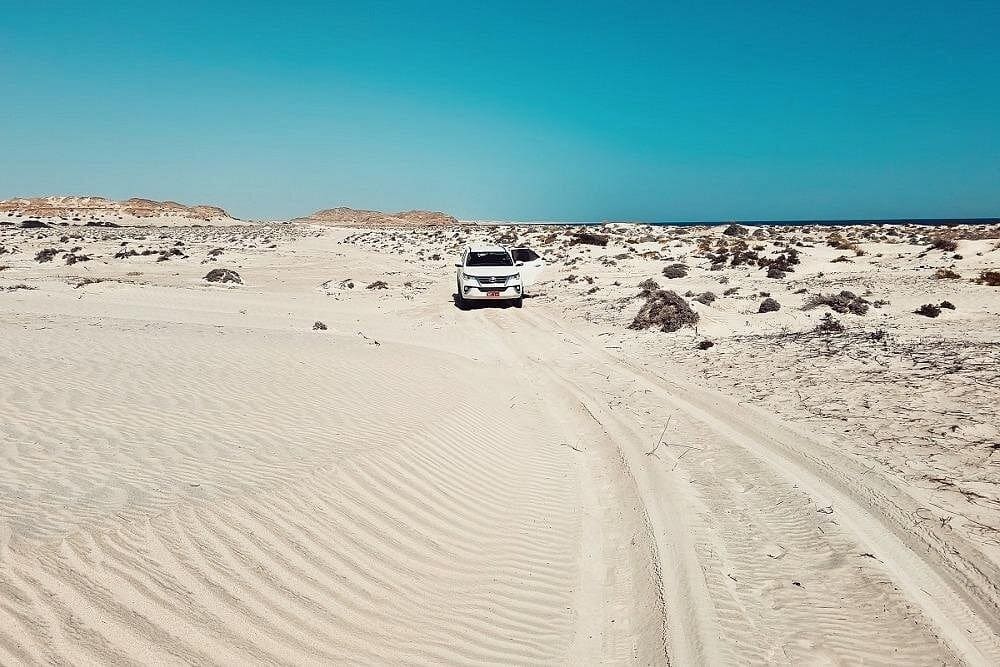
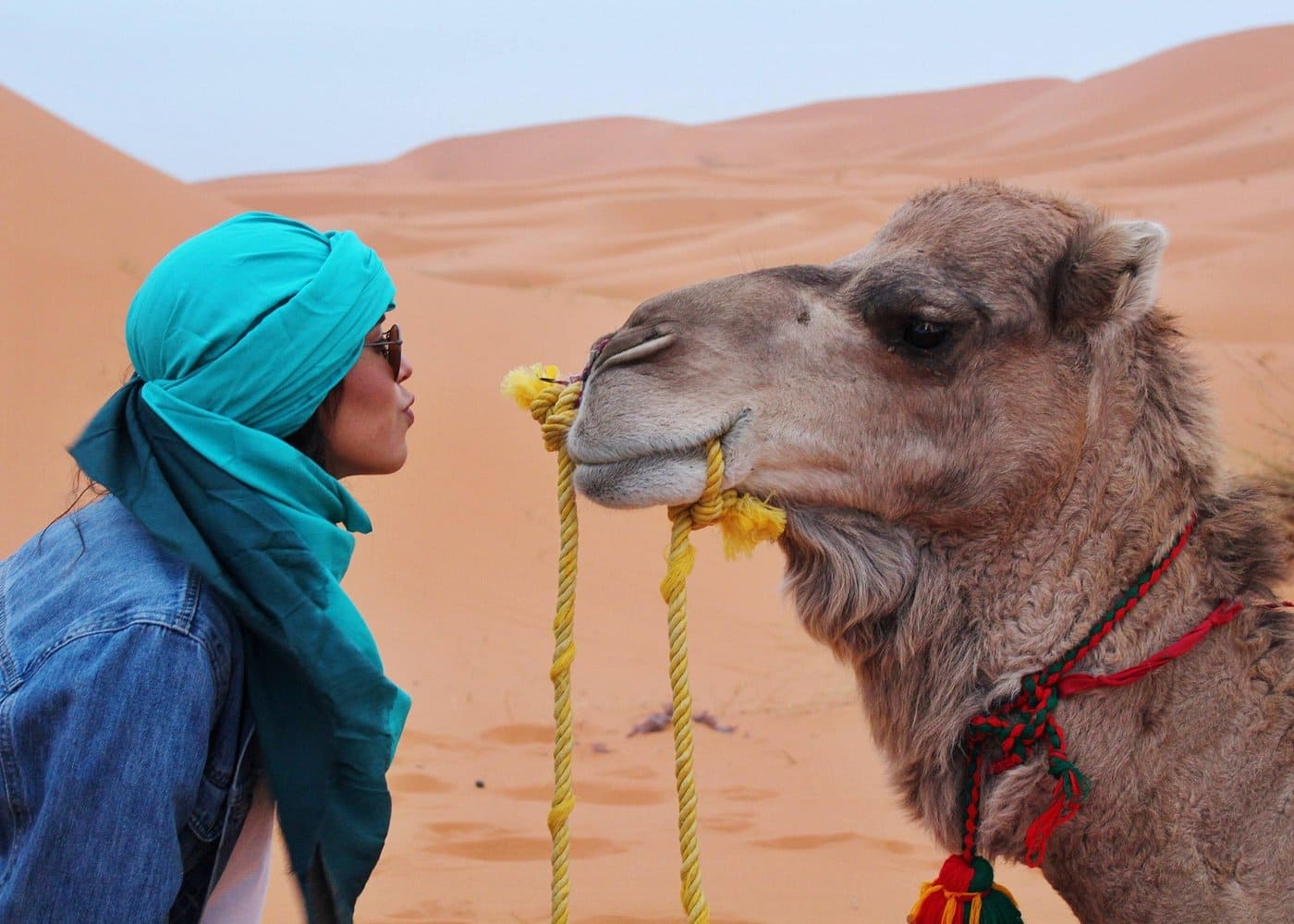
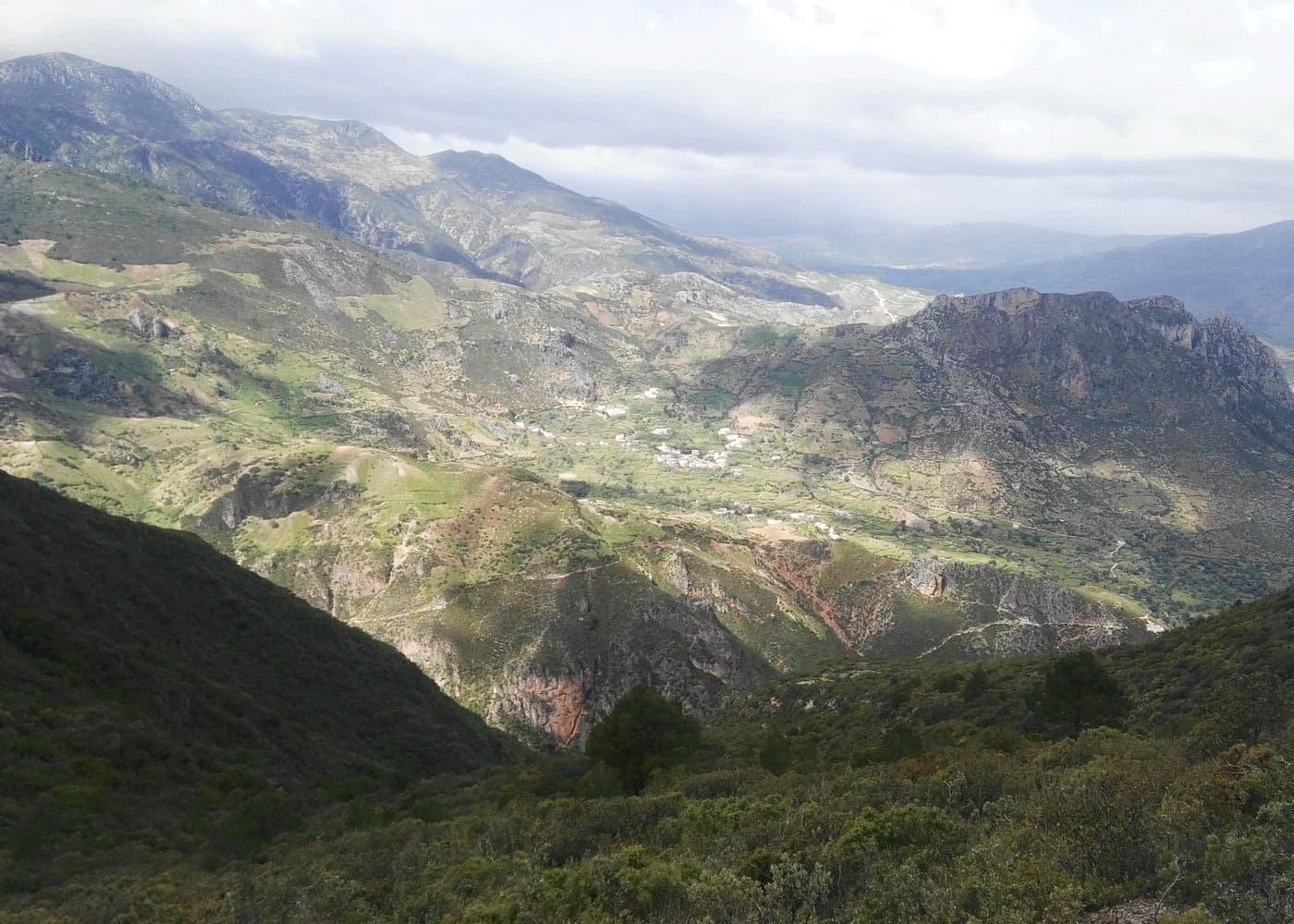
After an intense medina day, the Volubilis, Moulay Idriss and Meknes day trip provides a perfect change of pace — open countryside, ancient Roman ruins, and the spacious imperial architecture of Meknes offer a refreshing contrast to the medina’s intensity. The Fes desert tour is another excellent reset — trading the medina’s density for the vast open silence of the Sahara.


Share this article
Latest articles
September 16, 2026
September 16, 2026

September 16, 2026