
Top Attractions in Essaouira You Should Not Miss
Top attractions in Essaouira combine ancient fortifications, a vibrant fishing port, wind-swept beaches, and a UNESCO-listed medina that feels like a living museum of Moroccan coastal heritage. Unlike the sprawling medinas of Fes and Marrakech, Essaouira‘s old town is compact, walkable, and refreshingly easy to navigate — making it possible to see every major attraction in a single day.
This guide covers every must-see site in Essaouira, from the iconic ramparts and fish port to the lesser-known galleries and hidden squares that give the city its unique creative character.
The Skala de la Ville
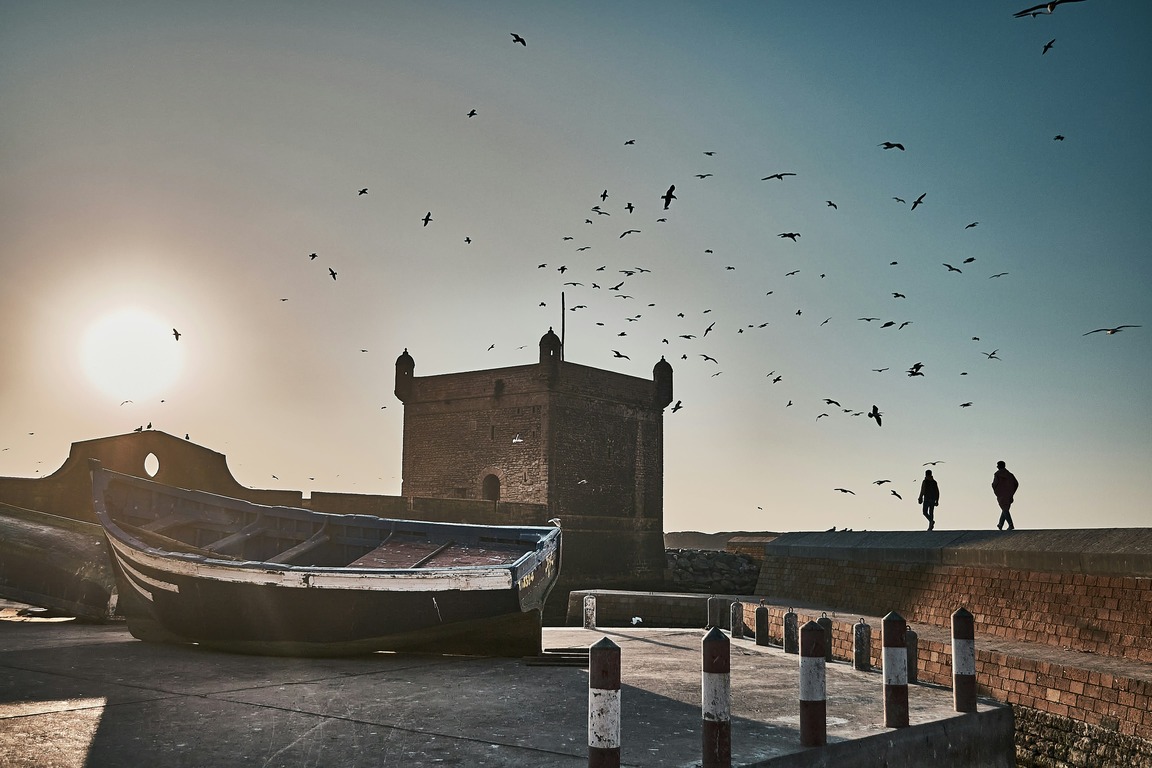
This spectacular 18th-century sea bastion stretches along the northern rampart of the medina, lined with bronze cannons pointing out toward the Atlantic. Built by a French architect for Sultan Mohammed ben Abdallah, the Skala served as both a defensive fortification and a display of military power. Today it offers the most dramatic views in the city — the crashing waves below, the Île de Mogador offshore, and the vast Atlantic horizon. The Skala was used as a filming location for the slave trading city of Astapor in Game of Thrones, making it a pilgrimage site for fans of the series.
The Fishing Port
Essaouira’s working fishing port is one of the most colorful and lively attractions in the city. Every morning, blue wooden boats unload their catch while fishermen repair nets, seagulls circle overhead, and cats weave between the stalls. The open-air grills just inside the port entrance serve the freshest, most affordable seafood in Morocco — choose your fish from the display and it will be grilled in front of you with lemon and spices. This is not a tourist attraction pretending to be authentic — it is a real working port that happens to also be incredible to visit.
The Medina and Souks
Essaouira’s medina was designed in the 18th century as a planned trading port, which gives it a more organized grid layout than older Moroccan medinas. The main streets are wide enough to feel comfortable, and the souks are divided into clear sections — spice sellers, woodworkers, jewelers, and textile merchants each have their own area. The best way to discover the hidden corners is with a private walking tour led by a local guide who knows every back alley and workshop worth visiting.
The Thuya Wood Workshops
Essaouira is the only place in the world where you can find products made from thuya wood — an aromatic, beautifully grained wood from the roots of the Tetraclinis articulata tree that grows exclusively in the region. The woodworking workshops in the medina produce everything from chess sets and jewelry boxes to intricate marquetry furniture. Watching the artisans work is fascinating, and purchasing directly from the workshops ensures fair prices and supports traditional craftsmanship.
The Ramparts and Bastions
The fortified walls surrounding the medina were built in the 1760s and remain remarkably intact. Walking along the top of the ramparts — especially the section between the Skala de la Ville and the Skala du Port — gives you a panoramic view of the entire city, the beach, and the offshore islands. The ramparts are particularly beautiful at sunset, when the low light turns the sandstone walls golden and the Atlantic glows orange on the horizon.
Île de Mogador
The small island visible from the ramparts is the Île de Mogador, now a protected nature reserve and nesting site for the rare Eleonora’s falcon. While the island itself is not open to the public (to protect the wildlife), it adds immensely to Essaouira’s visual drama. Boat trips around the island are available from the port, and birdwatchers can spot falcons, ospreys, and other species from the ramparts with binoculars.
Mellah (Jewish Quarter)
Essaouira once had one of the largest Jewish communities in Morocco, and the mellah (Jewish quarter) is one of the best-preserved in the country. The quarter features distinctive architecture with exterior balconies — unusual in Moroccan medinas, where most homes face inward. The Simon Attias synagogue and the Jewish cemetery on the edge of town tell the story of this once-thriving community.
The Beach
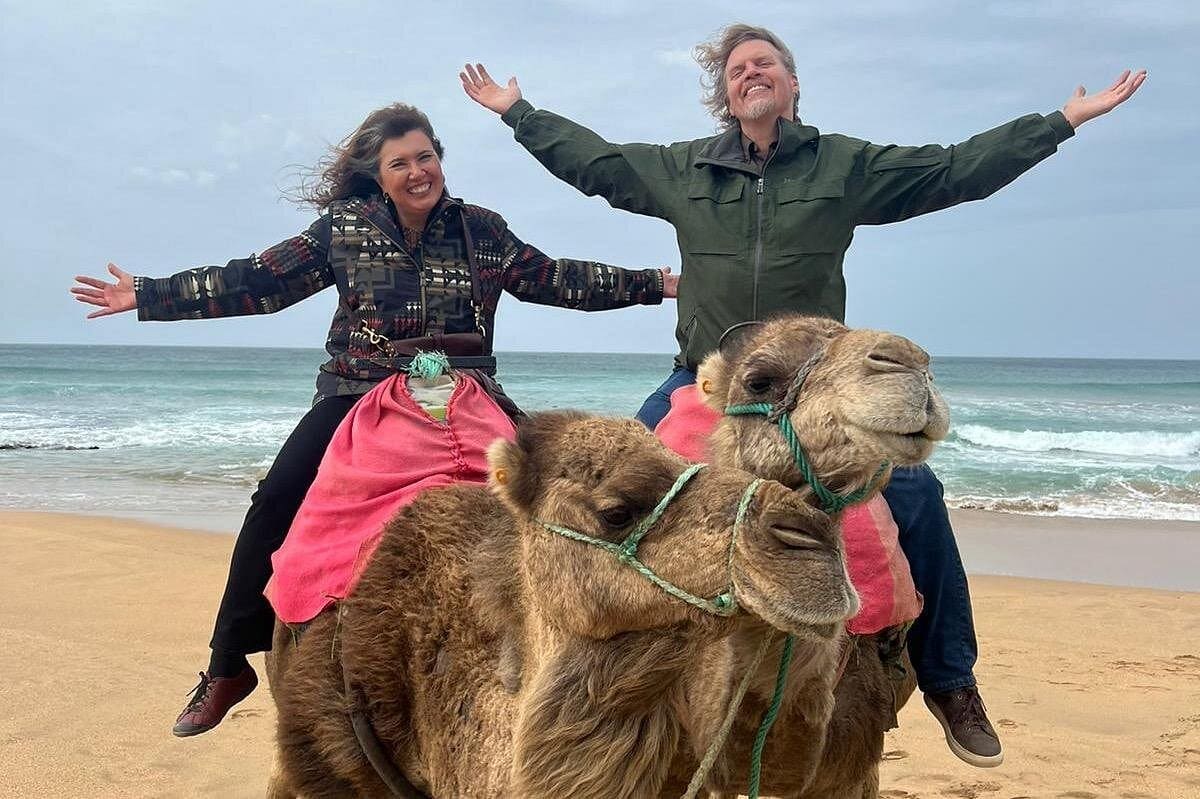
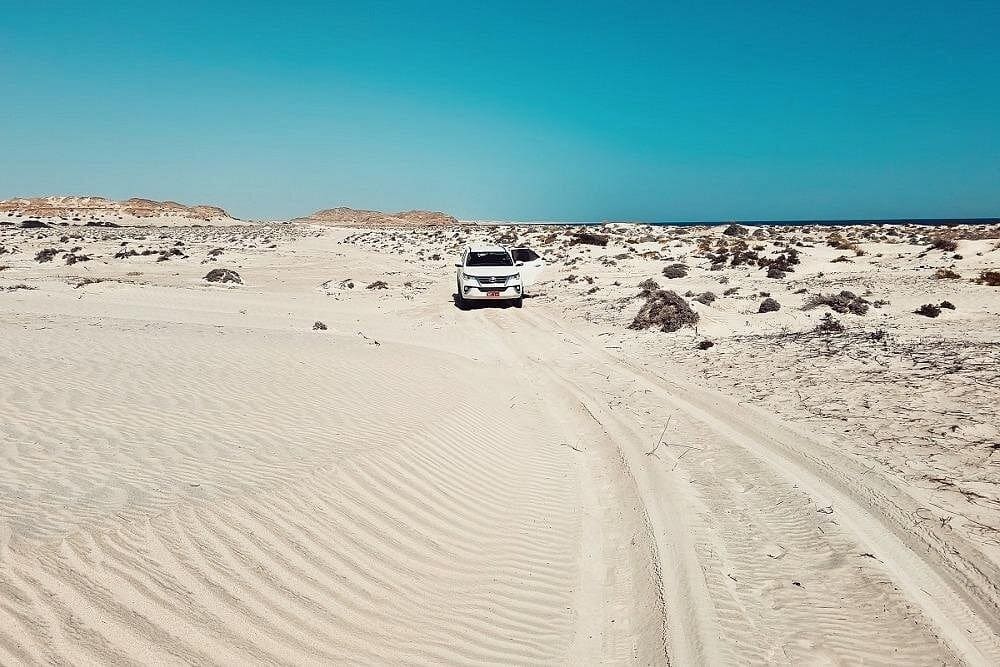
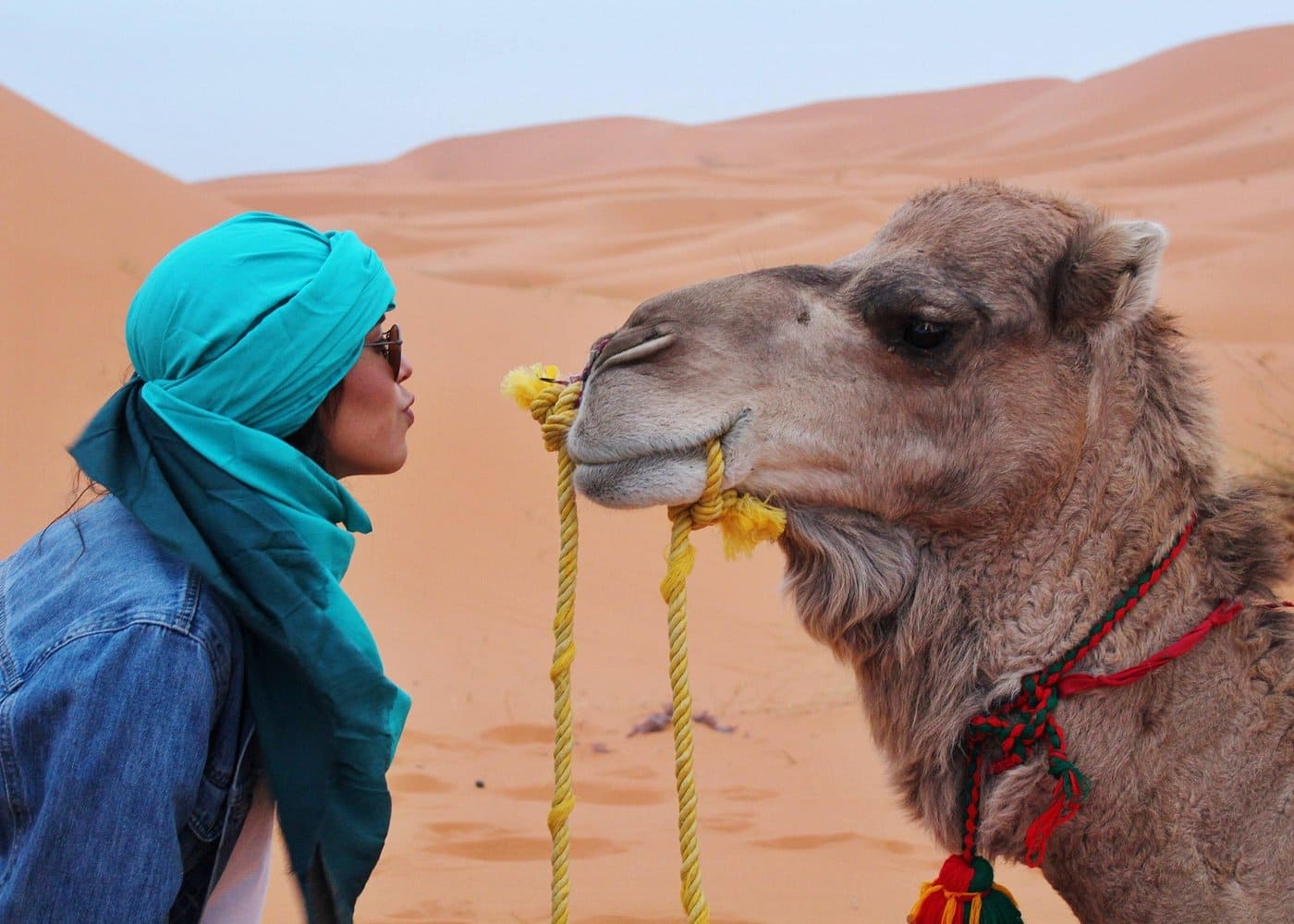
Essaouira’s main beach stretches for miles south of the medina — a vast expanse of golden sand backed by dunes and battered by Atlantic waves. The northern end near the medina is popular with camel rides, horse riding, and beach football. Further south, the beach becomes wilder and less crowded, eventually reaching the surf spot of Sidi Kaouki. The quad bike adventure to Sidi Kaouki is the most exciting way to explore this dramatic stretch of coastline.
Moulay Hassan Square
This lively pedestrian square at the heart of the medina is the social hub of Essaouira. Surrounded by cafés, restaurants, and shops, it is the perfect place to sit with a coffee and watch the world go by. During the annual Gnaoua Festival, the square becomes one of the main concert stages, packed with music lovers from around the world.
How to See All the Attractions
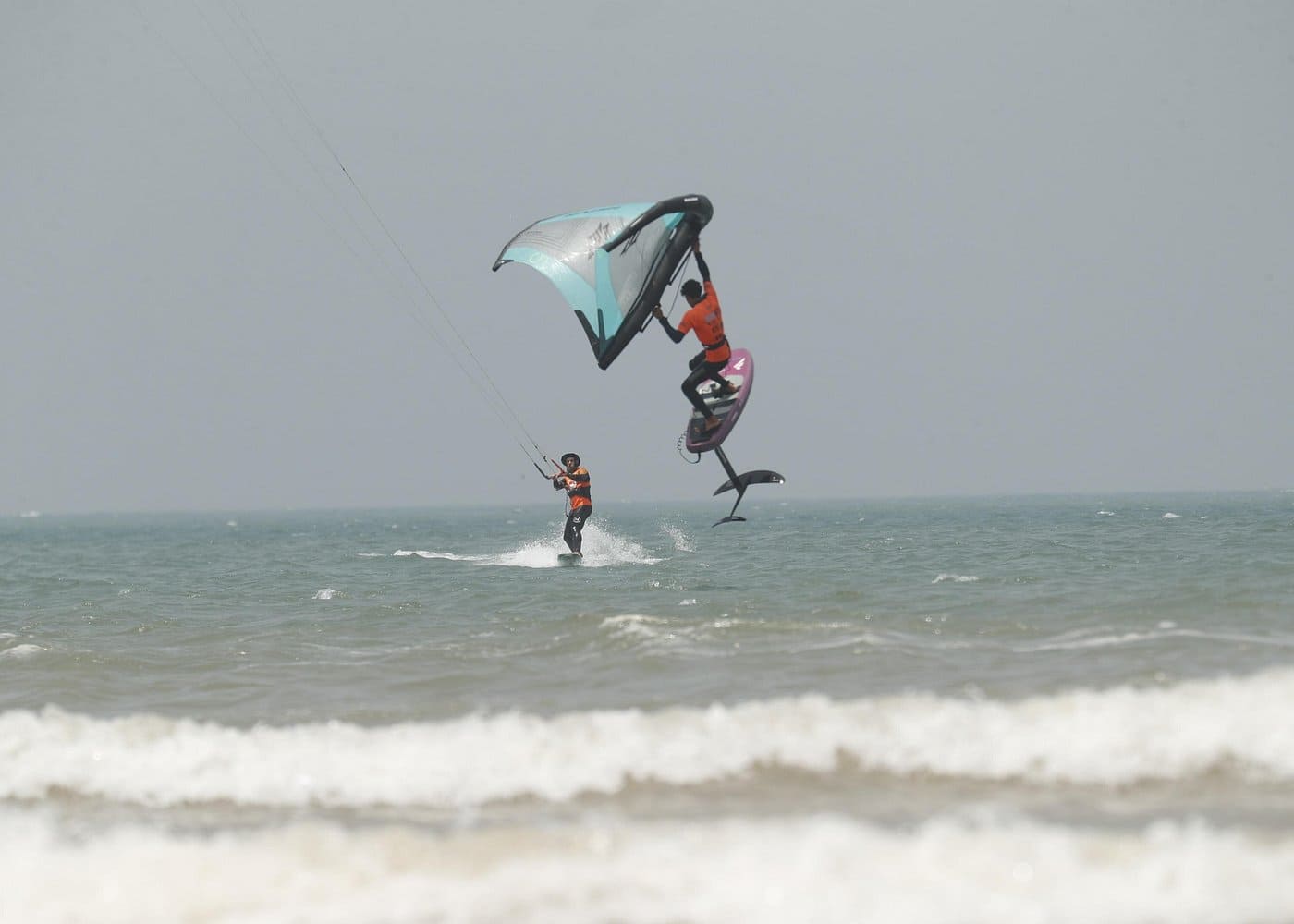
Essaouira is compact enough to see most attractions on foot in a single day, but a guided tour adds enormous value by providing historical context and access to hidden spots. Start with the private walking tour to get oriented, then spend the afternoon exploring independently — the wingfoil initiation or a quad bike ride make perfect afternoon activities after a morning of culture.

Share this article
Latest articles
September 17, 2026
September 17, 2026
September 17, 2026